

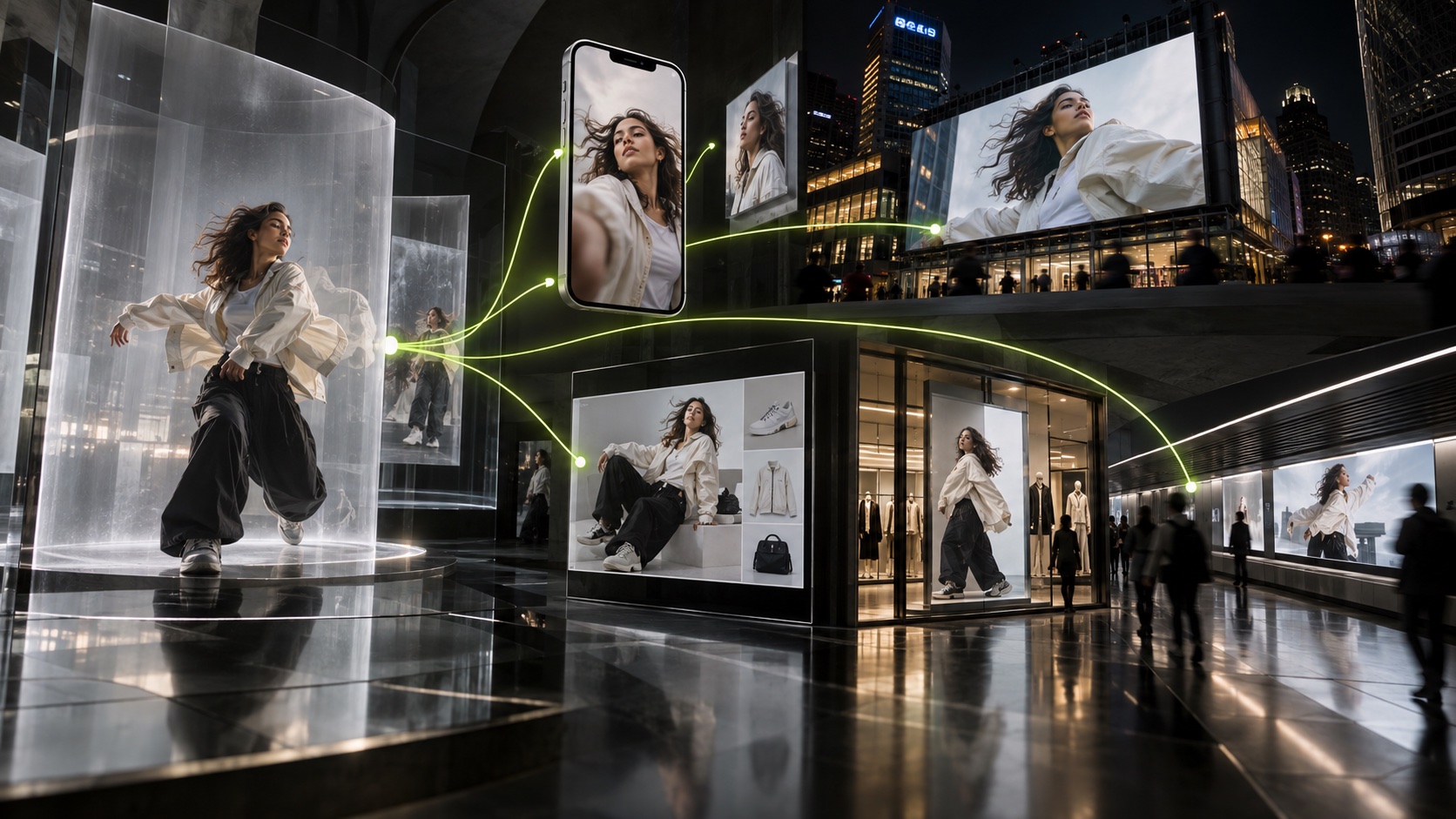
Usage rights should describe exactly what a brand may do with creator content: where it can appear, for how long, in which territories, whether paid amplification is permitted, whether edits are allowed, and how creator-authorized platform access is handled. Production payment alone does not answer those questions.
Rights are easiest to negotiate when they are treated as a scope layer rather than a vague ownership request. A narrow organic repost is commercially different from a year of global paid advertising, even when both use the same final video.
This article is an operational framework, not legal advice. Use qualified counsel for governing law, ownership, moral rights, talent releases, music, and market-specific requirements.
Write a permission matrix for every asset
| Dimension | Question | Example answer |
|---|---|---|
| Asset | Which final file or cut? | One approved 30-second vertical video |
| Channel | Where may it appear? | Brand organic social only |
| Territory | Which markets? | United States and Canada |
| Duration | When does permission start and end? | Six months from first repost |
| Paid use | May it be promoted as advertising? | Not included unless added in writing |
| Edits | What may be changed? | Resize and caption only |
| Access | Is creator authorization required? | Separate platform request |
Separate ownership from a defined license
The U.S. Copyright Office explains that commissioned work qualifies as work made for hire only under limited conditions, including specified categories and a signed agreement.[1]
A license can be clearer than a broad ownership phrase because it states the actual commercial permission. Record the asset, uses, duration, territory, editing rights, attribution, and renewal process. Do not assume the same legal rule applies outside the United States.
Treat platform access as a separate permission
YouTube says brand partner access can share organic and paid video-level performance metrics and enable creator partnerships boosting; it also advises creators to discuss usage rights and obtain required agreements independently.[2]
Meta describes branded content as creator or publisher content influenced by a business partner for an exchange of value and requires the paid partnership label in covered situations.[3]
The contract should say who requests access, which account receives it, what activity is allowed, when it ends, and who is responsible for revocation.
Price only the rights the campaign can use
If a brand is unsure whether paid media will run, quote it as an option with a defined activation window. That keeps the base scope comparable and avoids buying an unlimited permission that has no approved media plan.
Sources & References
- [1] U.S. Copyright Office — Works Made for HireOfficial explanation of the limited U.S. work-made-for-hire requirements.↗
- [2] YouTube — Sharing brand partner accessOfficial guidance on shared metrics, boosting, removal, and separate usage-rights agreements.↗
- [3] Instagram Help — What is considered branded contentOfficial explanation of branded content and paid partnership labels on Instagram.↗